Table of Contents
ToggleThe Nintendo Switch and Tetris form one of gaming’s most natural pairings. Whether you’re grinding out ranked matches during a commute or zoning out to hypnotic visuals on the couch, the hybrid console’s portability and versatility make it an ideal home for the legendary block-stacking puzzle game. But here’s the thing: there isn’t just one Tetris game on Switch. There are several, each offering distinct modes, mechanics, and reasons to play.
In 2026, players have access to everything from free-to-play battle royale madness to serene, synesthesia-inducing journeys. Choosing the right version, or combination of versions, depends on what you want from your Tetris experience. Are you chasing competitive glory? Looking for a chill solo session? Planning a party night with friends? This guide breaks down every Tetris option available on the Switch, explains what makes each one tick, and helps you figure out which one deserves your time and money.
Key Takeaways
- Nintendo Switch Tetris comes in multiple versions—Tetris 99 (free competitive), Tetris Effect: Connected (meditative journey), and Puyo Puyo Tetris 1 & 2 (party-friendly mashups)—each tailored to different playstyles.
- Tetris 99 dominates competitive play with its free-to-play battle royale format, badge multiplier system, and active playerbase, though mastering targeting strategies and T-spins separates top-tier players from the rest.
- Tetris Effect: Connected stands out for solo players with its innovative Zone mechanic that slows time and lets you build massive score combos, plus a 30+ stage Journey mode with unique audiovisual themes.
- Puyo Puyo Tetris 1 & 2 excel at local multiplayer and party settings, featuring Fusion mode chaos and four-player matches that keep energy high regardless of skill level differences.
- Success across all Nintendo Switch Tetris versions requires investing in a quality controller (Nintendo Switch Pro Controller recommended), practicing finesse techniques to reduce wasted inputs, and adapting strategies to each game mode’s unique mechanics.
Why Tetris Remains a Perfect Fit for the Nintendo Switch
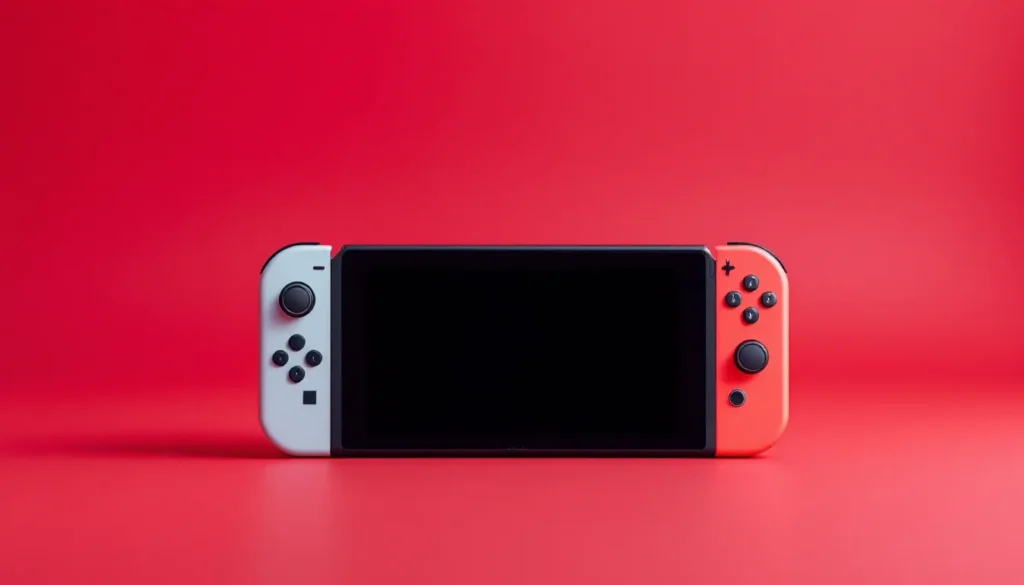
Tetris has thrived on portable hardware since the Game Boy days, and the Switch continues that legacy with modern refinements. The console’s handheld mode makes it easy to squeeze in quick sessions anywhere, while docked play offers HD clarity for competitive matches or showcasing the game’s visual spectacle to friends.
The Joy-Con controllers deserve special mention. Their responsive buttons and compact form factor suit Tetris’s precise inputs perfectly, whether you’re executing T-spins or frantically clearing garbage lines in a heated battle royale. The Switch’s sleep mode also means you can pause mid-game and resume instantly, ideal for a puzzle game where sessions can range from 90 seconds to hours.
Nintendo’s online infrastructure, while imperfect, supports most Tetris titles with decent netcode for multiplayer. Plus, the Switch’s massive install base ensures active communities around competitive titles like Tetris 99, making matchmaking fast and skill brackets varied. That combination of portability, control precision, and active player populations cements the Switch as arguably the best platform for Tetris in 2026.
Every Tetris Game Available on Nintendo Switch
Tetris 99: The Free Battle Royale Experience
Tetris 99 launched in February 2019 as a Nintendo Switch Online exclusive and immediately redefined what competitive Tetris could look like. The premise is simple: 99 players drop into a match simultaneously, and the last person standing wins. You clear lines to send garbage blocks to opponents, while defending against incoming attacks from multiple players targeting you.
The game is completely free if you have a Nintendo Switch Online subscription, making it the most accessible entry point for competitive Tetris. Updates have added themed events tied to major Nintendo releases, bonus modes like Invictus (which adds CPU opponents for offline practice), and a paid DLC that unlocks additional offline modes like Marathon and CPU Battle.
The skill ceiling is absurdly high. Top-tier players average 2+ pieces per second while simultaneously managing targeting strategies and badge counts. But matchmaking does a decent job of grouping similarly skilled players, so newcomers won’t get obliterated every match, at least not at first.
Puyo Puyo Tetris 1 & 2: The Ultimate Mashup
Puyo Puyo Tetris (2017) and its sequel Puyo Puyo Tetris 2 (2020) blend SEGA’s color-matching puzzler with classic Tetris gameplay. Both versions include story modes with goofy anime-style characters, extensive tutorial content, and a wild variety of competitive modes that mix or pit the two puzzle styles against each other.
The first game offers solid value with Adventure mode, local multiplayer for up to four players, and online ranked matches. Puyo Puyo Tetris 2 expands on that foundation with Skill Battle mode (which adds RPG-style character stats and abilities), refined online matchmaking, and more single-player challenges. It’s the definitive version if you’re buying only one, though the original still holds up and often goes on sale.
What sets these games apart is their party-game versatility. Fusion mode, which layers both Puyo puyos and Tetris blocks on the same board, creates hilarious chaos that levels the playing field between veterans and casual players. The presentation is colorful, energetic, and unapologetically over-the-top, perfect for introducing Tetris to friends who find standard block-dropping too dry.
Tetris Effect: Connected – Visual and Auditory Bliss
Tetris Effect: Connected arrived on Switch in October 2021, bringing Enhance Games’ award-winning synesthetic experience to Nintendo’s platform. This isn’t just Tetris with pretty lights. The game synchronizes visuals, music, and sound effects to your inputs, creating a meditative flow state that’s unlike anything else in the genre.
The Zone mechanic is the key innovation. Fill a meter by clearing lines, activate Zone, and time briefly slows while cleared lines stack at the bottom of the playfield instead of disappearing. Build up enough, then release to clear massive chunks for huge scoring combos. It fundamentally changes how you approach dangerous situations and opens up strategic depth beyond standard play.
Connected adds multiplayer modes including co-op and competitive options, though the heart of the game remains its Journey mode, a campaign that takes you through over 30 stages, each with unique themes ranging from deep-sea exploration to cosmic voyages. Critics and players consistently rated it among the best puzzle games of the decade, and major outlets like GameSpot highlighted its exceptional audiovisual design upon release.
The Switch version runs smoothly in both handheld and docked modes, though the visual impact is naturally more impressive on a larger screen or with headphones. It’s the go-to choice for players who want Tetris as an artistic experience rather than purely a competitive or casual time-filler.
Classic Tetris and Retro Collections
For purists, the Nintendo eShop offers Tetris as part of various Arcade Archives or classic game compilations, though availability varies by region and licensing arrangements. These versions typically replicate original arcade or NES gameplay without modern quality-of-life features.
The Sega Genesis Classics collection includes Columns, which isn’t Tetris but scratches a similar block-matching itch if you’re exploring retro puzzle games. Nintendo’s own NES – Nintendo Switch Online app includes the original NES Tetris for subscribers, complete with online multiplayer functionality patched into the decades-old ROM.
These retro options appeal primarily to nostalgic players or those interested in the history of puzzle gaming. They lack the polish and feature sets of modern versions but offer authentic reproductions of how Tetris played in its earliest console iterations.
Which Nintendo Switch Tetris Game Should You Buy?
Best for Competitive Players
Tetris 99 is the obvious answer for anyone serious about competitive play. The combination of zero upfront cost (assuming you already have Switch Online for other games), massive active playerbase, and regular events makes it the most accessible competitive option. The badge system and targeting strategies add layers of metagame complexity that reward both mechanical skill and tactical decision-making.
If you want deeper competitive modes with more controlled matchmaking, Puyo Puyo Tetris 2 offers robust ranked ladders for both pure Tetris and mixed modes. The Skill Battle system, while divisive among purists, adds RPG-style progression that keeps casual competitive players engaged between ranked climbs.
Best for Casual and Solo Players
Tetris Effect: Connected wins this category without contest. Journey mode provides dozens of hours of structured solo content, each stage offering fresh audiovisual themes that keep the core gameplay from feeling repetitive. The Zone mechanic adds just enough strategic depth to engage experienced players without overwhelming newcomers.
For players who want straightforward, no-frills Tetris without battle royale pressure or flashy effects, the Big Block DLC for Tetris 99 unlocks Marathon and other offline modes. It’s $10 and transforms the free base game into a more traditional single-player experience, though it lacks the polish and content volume of dedicated solo titles.
Best for Party and Local Multiplayer
Puyo Puyo Tetris 1 or 2 dominate local multiplayer scenarios. Four-player matches with mixed puzzle styles, wacky Fusion and Swap modes, and colorful presentation make these games perfect for party settings where skill levels vary wildly. The quick match setup and clear win conditions keep energy high without requiring extensive rules explanations.
Tetris 99’s Team Battle mode also works well for groups, letting up to four local players team up against online opponents. But, the UI isn’t optimized for split-screen play on a single Switch in handheld mode, you’ll want a TV for that setup.
Essential Tips and Strategies for Tetris on Switch
Mastering T-Spins and Advanced Techniques
T-spins are critical for competitive play in every modern Tetris version. These moves involve rotating a T-piece into a position where it appears “locked” by surrounding blocks, then clearing lines to send extra garbage to opponents. A proper T-spin double sends more garbage than clearing four lines the standard way, making them essential for offense.
To execute consistently:
- Build the setup: Create an overhang or notch with a one-block-wide opening and a raised edge.
- Position the T-piece: Drop it into the gap with the flat side facing the overhang.
- Rotate last: The rotation into place must be the final input before locking. If you rotate early then slide the piece, it won’t count as a T-spin.
Modern Tetris implementations (including all Switch versions except NES retro Tetris) use the Super Rotation System (SRS), which allows aggressive wall kicks and rotation adjustments. Learning the full SRS kick table dramatically expands placement options, especially for I-pieces and T-pieces in tight spots.
Combos are another key mechanic. Clear lines consecutively without dropping a piece that doesn’t clear a line, and each successive clear sends progressively more garbage. In Tetris 99 and Puyo Puyo Tetris, combo chains can overwhelm opponents even without fancy T-spin setups. Alternate between building your stack and maintaining a combo-friendly surface with intentional gaps.
Building Speed and Efficiency
Speed in Tetris isn’t just about mashing buttons faster. It’s about reducing wasted inputs and optimizing piece placements to maintain clean board states. Top players use finesse, which means placing each piece using the minimum number of moves required.
Practical finesse tips for Switch:
- Use hard drop (typically mapped to up on the d-pad or stick) instead of waiting for pieces to fall naturally. This alone cuts placement time by 80%+.
- Pre-rotate during descent: Rotate pieces while they’re falling, not after they land. Those split seconds add up over hundreds of pieces.
- Memorize spawn positions: Each piece spawns in a set location. Knowing where I-pieces, L-pieces, and others start lets you begin rotating and moving instantly.
In modes with increasing gravity like Marathon or higher levels of Tetris 99, you’ll eventually hit speeds where pieces fall faster than human reaction time. At that point, success depends entirely on reading the next piece preview and planning placements one or two pieces ahead. Practice stacking flat or with intentional valleys that accommodate multiple piece types without adjustment.
Adapting to Different Game Modes
Each Tetris version on Switch demands slightly different strategic emphases:
-
Tetris 99: Prioritize sending garbage quickly and consistently. T-spins and tetrises are ideal, but maintaining a combo chain with single and double line clears often overwhelms mid-level players better than waiting to set up perfect moves. Watch your attacker count and switch to Attackers targeting when you’re being focused.
-
Tetris Effect Connected: Zone management is everything. Don’t waste Zone activations on small payoffs. Build up 10+ lines during Zone for massive clears that trigger scoring multipliers and keep your chain bonuses alive. In Journey mode, adapt your strategy to each stage’s unique mechanics, some reward speed, others emphasize score thresholds.
-
Puyo Puyo Tetris: When facing Puyo players, send garbage early and often. Puyo players need time to build chains, so constant harassment prevents their setup. In Fusion mode, prioritize clearing your own piece type aggressively since mixed boards slow everyone down equally.
Getting the Most Out of Tetris 99
Understanding Targeting and Badge Systems
Tetris 99’s targeting system determines where your cleared lines send garbage. The game offers four targeting options:
- Attackers: Sends garbage to players currently targeting you. Essential when you’re being focused by multiple opponents.
- KOs: Targets players closest to topping out. High-risk/high-reward since these players might die before your garbage arrives.
- Badges: Targets players with the most badges. Useful mid-game when you have badges and want to steal more.
- Random: Self-explanatory and generally inferior to other options.
The badge system multiplies your garbage output. Earn badges by knocking out opponents or stealing them from badged players you eliminate. Badge multipliers stack:
- 1-2 badges: +25% garbage
- 3-5 badges: +50% garbage
- 6-9 badges: +75% garbage
- 10+ badges: +100% garbage (double)
Aggressive players hunt badges early by targeting KOs in the first 30 seconds when weaker players are most vulnerable. This frontloads risk but can snowball into dominant positions. Conservative players ignore badges until the top 20, then steal them from badged players during the final scramble.
Switch your targeting dynamically. Start on KOs to grab early eliminations and badges, swap to Attackers when your incoming garbage spikes, then shift to Badges when hunting badged players in the top 15. Players who maintain proper Joy-Con responsiveness have an edge here since targeting swaps require quick inputs during intense moments.
Strategies for Top 10 Finishes
Reaching the top 10 consistently requires surviving the mid-game chaos between 50 and 20 players. This phase sees the most garbage flying as badge fights intensify and weaker players get eliminated.
Defensive stacking becomes critical here. Keep your stack below halfway except when setting up big clears. Players who build tall during the 30-player range become targets for badge hunters and often can’t recover from multiple incoming attacks.
Garbage management separates good players from great ones. When garbage appears on the right side of your screen, you have a brief window before it fills your board. Clear any lines during that window to cancel incoming garbage. A well-timed tetris can cancel 10+ incoming garbage lines, turning a death sentence into a clean board.
In the final 10, playstyle shifts again. Players typically stop sending as much garbage since there are fewer targets. Focus on:
- Maintaining clean boards: No overstacks or messy sections that limit piece options.
- Building safe tetrises: Don’t risk fancy T-spin setups. Straightforward four-line clears are reliable and effective.
- Watching opponents: The UI shows other players’ boards. Spot who’s struggling and snipe them with KO targeting for final badges.
In the 1v1 finale, the player with more badges usually wins if skill levels are close. Send garbage relentlessly while managing your own stack conservatively. A single mistake here means instant loss, so avoid risky moves unless you’re desperate.
Maximizing Tetris Effect: Connected’s Unique Features
Zone Mechanic Explained
The Zone mechanic is Tetris Effect’s signature innovation. As you clear lines, a meter on the left side of the screen fills. Press and hold the Zone button (typically L or R), and the game enters a time-dilated state where cleared lines don’t disappear immediately, they stack at the bottom of your playfield instead.
This mechanic serves multiple strategic purposes:
-
Emergency saves: When garbage or misplaced pieces push your stack dangerously high, activate Zone to quickly clear breathing room. Even clearing 2-3 lines during Zone gives you space to recover.
-
Scoring multipliers: Each line cleared during Zone contributes to a final burst clear. Clearing 10+ lines in one Zone activation triggers massive score bonuses and extends combo chains.
-
Boss battles: Journey mode includes stages where you face off against visual and mechanical challenges. Zone lets you power through obstacles or satisfy specific clear conditions.
Optimal Zone usage requires patience. New players tend to panic-activate Zone at the first sign of trouble, wasting its potential. Instead, build your stack to about 75% capacity, activate Zone, then clear everything in one massive burst. This maximizes both score and the cathartic audiovisual feedback that makes Tetris Effect special.
In Connected mode (the multiplayer addition), Zone management becomes more complex. You can activate Zone to defend against incoming attacks or to contribute to the team’s shared clear count in co-op modes. Communication and timing Zone activations collectively can make or break boss encounters.
Weekend Ritual and Multiplayer Modes
Weekend Ritual is Tetris Effect’s asynchronous community event that runs, as the name suggests, on weekends. Players worldwide contribute to a shared goal, typically clearing a massive number of lines collectively. Participation rewards include profile customization options and the satisfaction of seeing global progress bars fill in real-time.
The Connected modes add traditional multiplayer to what was originally a solo-focused experience:
-
Connected mode: Three players cooperate against an AI boss entity, sharing Zone meters and coordinating big clears to damage the boss before it overwhelms the team.
-
Zone Battle: Competitive 1v1 or free-for-all matches where Zone activations let you send garbage to opponents.
-
Score Attack: Timed mode where players compete for the highest score rather than outlasting each other.
-
Classic Score Attack: Removes the Zone mechanic for pure traditional Tetris scoring.
While these modes add value, Tetris Effect’s online community is smaller than Tetris 99’s, so matchmaking can occasionally take longer depending on region and time of day. The game truly shines in its solo Journey mode and as a meditative personal experience rather than a competitive battleground.
One underappreciated feature: theater mode lets you replay any unlocked Journey stage with custom rule modifiers. Want to practice a specific visual theme with faster speeds? Theater mode has you covered. It’s perfect for grinding out leaderboard scores or just vibing to your favorite stage’s music without campaign pressure.
Puyo Puyo Tetris: Mastering Both Puzzle Styles
When to Choose Tetris vs. Puyo Puyo
In versus matches where players choose their own puzzle style, understanding each game’s strengths and weaknesses is crucial for both playing and counter-playing.
Tetris advantages:
- Faster garbage output through tetrises and T-spins
- More consistent and predictable piece patterns
- Simpler mechanics let you focus entirely on speed
Puyo Puyo advantages:
- Massive chain potential can send overwhelming garbage when properly set up
- More defensive since you can build under incoming garbage
- Chain triggers can be delayed, letting you bait opponent moves
Generally, Tetris players should adopt aggressive strategies against Puyo opponents. Send constant harassment garbage to disrupt their chain building. Puyo chains require 4-5+ pieces in specific arrangements, so any garbage forces them to adjust or abandon setups. Sites like IGN have documented high-level competitive matches where sustained Tetris pressure shut down even elaborate Puyo chain setups.
When playing Puyo, prioritize building at least one solid 3-4 chain setup early. Don’t get baited into clearing single matches just to send immediate garbage, you’ll lose the damage race against a competent Tetris player. Instead, absorb the early harassment, complete your chain, then unleash it for a knockout blow.
Fusion Mode and Swap Mode Tips
Fusion mode combines both Puyo puyos and Tetris blocks on the same playfield. It’s absolute chaos and arguably the most entertaining mode for casual or party play. Key tips:
-
Tetris blocks don’t clear Puyo puyos: Focus on clearing your own piece type. Mixed stacks slow everyone down equally, which can work to your advantage if you’re the less skilled player.
-
Use blocks as anchors: Tetris blocks can support Puyo structures, letting you build overhangs and more complex chain setups than pure Puyo allows.
-
Garbage is universal: Both piece types can trigger garbage sends, and garbage blocks fill the board as gray blocks that must be cleared by either piece type touching them.
Swap mode forces players to switch between Tetris and Puyo at timed intervals (usually every 25 seconds). Success requires competence in both puzzle styles, though you can specialize. Some strategies:
-
Front-load your strong style: If you’re better at Tetris, push hard during Tetris phases to build a lead, then play conservatively during Puyo phases.
-
Set up chains before swapping: When you know a swap is coming in 5 seconds, build a Puyo chain ready to trigger. Swap to Tetris, trigger the chain remotely via the swap, and send huge garbage while playing your preferred style.
-
Clean up during weaker phases: Use your weak style’s time to flatten your board and prepare for your strong style’s return rather than forcing aggressive plays you’ll likely botch.
Both modes reward adaptability and experimentation. Puyo Puyo Tetris 2’s Skill Battle mode, which adds character-specific abilities to these already complex modes, takes things even further, though the extra layer of RPG mechanics can feel excessive for players who just want pure puzzle competition.
Optimizing Your Switch Setup for Tetris
Controller choice matters more in Tetris than in most Switch games due to the genre’s emphasis on precise, rapid inputs. Here’s what works best:
Joy-Cons are perfectly serviceable for casual play and even intermediate competitive sessions. The d-pad on the left Joy-Con (when used solo) consists of four separate buttons, which some players prefer for directional precision. But, accidental diagonal inputs can occur during frantic moments.
Nintendo Switch Pro Controller is the gold standard for serious play. The proper d-pad eliminates diagonal input errors, and the larger form factor provides better grip and stability during long sessions. The slightly stiffer buttons reduce accidental inputs while maintaining responsiveness. Most competitive Tetris 99 players opt for Pro Controllers when playing docked.
Third-party controllers vary wildly in quality. Avoid cheap options with mushy buttons or input lag. If you’re going third-party, stick to reputable brands like 8BitDo or Hori, which offer arcade-style controllers specifically designed for puzzle games.
For handheld play, consider a grip case that adds bulk and ergonomics to the Switch. Extended Tetris sessions can cause hand cramping in handheld mode, especially during competitive matches where tension keeps your grip tight. Satisfye and Skull & Co. make popular options.
Display settings mostly affect docked play. Tetris doesn’t benefit from high refresh rates since the Switch caps at 60Hz, but reducing display latency helps. Enable Game Mode on your TV if available, and connect the Switch directly to the TV rather than through an AV receiver to minimize lag. Input lag in the 15-30ms range is imperceptible for most players, but competitive players notice even 10ms differences.
Finally, if you’re experiencing performance issues or unresponsiveness and suspect hardware problems beyond just controller choice, understanding your system’s internal components through resources like Switch hardware teardowns can help diagnose whether you’re dealing with worn components or settings issues.
Audio considerations matter specifically for Tetris Effect: Connected. The game’s design synchronizes audio and visual feedback to your inputs, creating a flow state that’s diminished without proper sound. Use headphones in handheld mode or a decent sound system when docked. Built-in Switch speakers don’t do the game justice.
For Tetris 99 competitive play, audio is less critical but still useful. Clearing lines and sending garbage produce distinct audio cues that help you track your performance without constantly looking at UI elements. Some players prefer turning music down and sound effects up to better focus on these feedback sounds.
Conclusion
The Nintendo Switch offers the most diverse and accessible Tetris ecosystem on any modern platform. Whether you’re grinding battle royale matches in Tetris 99, losing yourself in Tetris Effect’s audiovisual journey, or enjoying party chaos in Puyo Puyo Tetris, there’s a version tailored to your preferences.
For most players, starting with Tetris 99 makes sense, it’s free with Switch Online and provides hundreds of hours of competitive depth. From there, Tetris Effect: Connected offers the premier solo experience, while Puyo Puyo Tetris 1 or 2 dominate local multiplayer scenarios. Owning all three covers every Tetris mood and use case.
The strategies and techniques covered here, T-spins, Zone management, targeting systems, and style-specific tactics, provide a foundation for improvement regardless of which version you choose. Tetris rewards practice and pattern recognition, so consistent play matters more than raw talent. Jump into matches, experiment with different approaches, and pay attention to what top-level players do differently.
In 2026, Tetris on Switch isn’t just alive, it’s thriving across multiple high-quality implementations. The only question left is which version you’ll boot up first.