Table of Contents
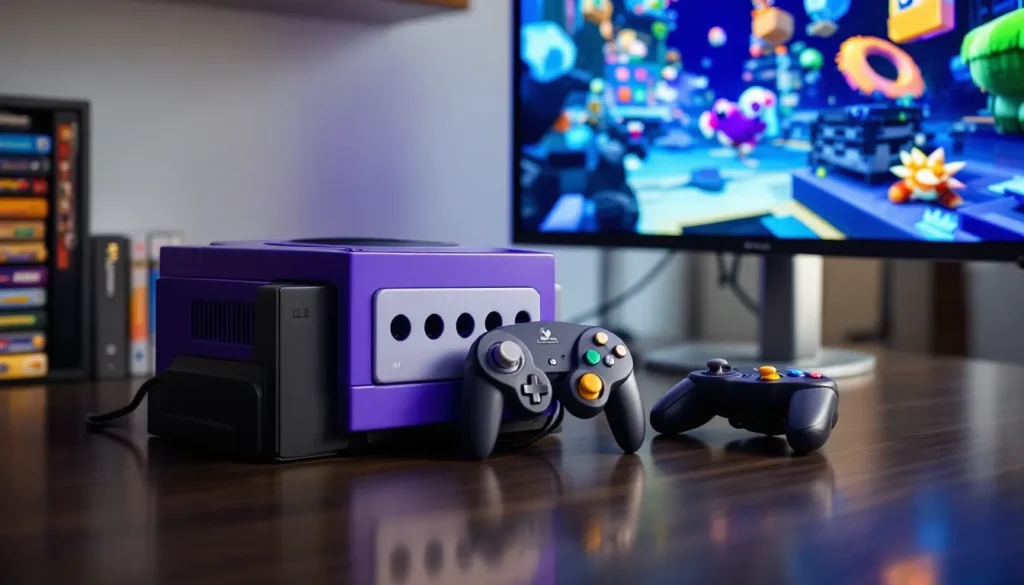
ToggleThe GameCube holds a special place in Nintendo’s history, a compact purple box that delivered some of the most beloved titles in gaming. Fast forward to 2026, and Switch owners are still asking one burning question: can they relive those classics on modern hardware? The answer isn’t as straightforward as popping in a disc (the Switch doesn’t even have a disc drive), but there are paths worth exploring.
Whether you’re hunting for official releases, eyeing homebrew solutions, or just curious about what GameCube controllers work with your Switch, this guide breaks down everything you need to know. We’ll cover what’s officially available, what workarounds exist, the legal landscape, and which classic titles might actually make the jump to Nintendo’s hybrid console.
Key Takeaways
- Nintendo Switch currently lacks official GameCube support through Nintendo Switch Online, though the hardware is technically capable of running GameCube emulation.
- You can play remastered GameCube titles on Switch, including Metroid Prime Remastered and Paper Mario: The Thousand-Year Door, though these are enhanced versions rather than straight ports.
- While homebrew emulation is possible through modded Switch consoles, it violates Nintendo’s Terms of Service and risks permanent online bans plus copyright infringement when downloading ROMs.
- Official GameCube controllers work with Nintendo Switch through the GameCube Controller Adapter, while third-party wireless options like PowerA and 8BitDo provide alternatives for handheld play.
- Fan demand remains high for Nintendo Switch ports of beloved GameCube classics like F-Zero GX, Kirby Air Ride, and Luigi’s Mansion, though no official announcements have been confirmed.
- As the Nintendo Switch enters its twilight years, a potential successor console could bring GameCube backward compatibility or enhanced emulation as a selling point rather than late-stage additions to current hardware.
Can You Play GameCube Games on Nintendo Switch?
Official Nintendo Switch Online GameCube Support
As of March 2026, Nintendo has not added GameCube games to the Nintendo Switch Online service. The Expansion Pack tier currently includes Nintendo 64 and Sega Genesis titles, but GameCube remains absent from the lineup.
Nintendo’s approach to retro gaming has been measured and selective. They’ve rolled out NES and SNES libraries fairly comprehensively, added N64 titles starting in late 2021, and even brought Game Boy and Game Boy Advance games to the service in 2023. But the GameCube? Radio silence.
The technical capability is definitely there, the Switch hardware can easily handle GameCube emulation. What’s missing is the business decision. Nintendo hasn’t confirmed or denied future plans, and leaks haven’t pointed to imminent GameCube support either.
Current Limitations and What’s Available
The reality is harsh: you cannot play GameCube discs or download GameCube ROMs through any official Nintendo channel on Switch. There’s no backward compatibility, no digital storefront selling GameCube titles as-is, and no streaming service offering them.
What you can get are remasters, ports, and spiritual successors, games that originated on GameCube but have been rebuilt or re-released for Switch. Think Super Mario Sunshine as part of Super Mario 3D All-Stars (which was available for a limited time in 2020-2021), or Luigi’s Mansion 3 as a sequel rather than a port.
The distinction matters. You’re not playing the original GameCube version: you’re playing a remastered or reimagined take. For purists, that’s a compromise. For most players, it’s close enough, especially when the upgrades include higher resolution, smoother framerates, and portability.
Alternative Methods to Play GameCube Games on Switch
Using Homebrew and Emulation Software
This is where things get technical, and risky. A modded Switch running custom firmware (CFW) can technically run GameCube emulators like Dolphin, which has been ported to homebrew environments. The process involves jailbreaking your console, installing CFW, and sideloading the emulator along with ROM files.
Performance varies wildly. Some GameCube titles run smoothly at native resolution or higher, while others stutter or crash depending on the game’s complexity and the emulator build. Titles like Super Smash Bros. Melee or Mario Kart: Double Dash have been reported to run decently on modded Switch hardware, but don’t expect flawless accuracy across the board.
You’ll also need ROMs, which introduce a whole separate issue (see below). The homebrew scene is active, but it’s not plug-and-play. Expect troubleshooting, forums, and the occasional bricked console if you’re not careful.
Risks and Legal Considerations
Let’s be blunt: modding your Switch violates Nintendo’s Terms of Service. If you go online with a modded console, you’re risking a permanent ban from Nintendo’s servers, no eShop, no online multiplayer, no cloud saves. Nintendo has been aggressive about detecting and banning modified systems since the Switch launched in 2017.
Then there’s the legal side. Downloading ROMs of games you don’t own is copyright infringement in most jurisdictions, including the US. Even if you own the physical GameCube disc, downloading a ROM from the internet is still legally murky. Ripping your own discs is generally considered fair use, but the process requires additional hardware (like a Wii with homebrew or a USB disc drive setup).
Bottom line: homebrew emulation is possible but comes with real consequences. If you value your console’s online functionality or don’t want to navigate legal gray zones, skip it.
GameCube Remasters and Ports on Nintendo Switch
Official GameCube Titles Available on Switch
Nintendo hasn’t been completely silent on the GameCube front, they’ve just chosen selective re-releases over blanket support. Here’s what’s actually playable:
- Super Mario Sunshine (via Super Mario 3D All-Stars, limited release in 2020-2021: the collection was delisted from the eShop in March 2021, but physical copies still circulate)
- Metroid Prime Remastered (released February 2023: a ground-up remaster with updated visuals, controls, and HD resolution)
- Paper Mario: The Thousand-Year Door (full remake released October 2024, rebuilt from scratch with modern graphics and quality-of-life improvements)
- Animal Crossing elements (New Horizons borrows heavily from the original GameCube game, though it’s not a port)
These aren’t straight ports, they’re enhanced versions with updated graphics, revised controls, and modern conveniences. Metroid Prime Remastered is probably the gold standard here, looking and playing like a native Switch title while preserving the original’s design.
The limited-time nature of 3D All-Stars was controversial, but it’s classic Nintendo: create scarcity to drive sales. If you missed it, you’re hunting down used copies or digital codes at markup prices.
Upcoming GameCube Ports and Remasters
Rumors and wishlisting aside, confirmed upcoming GameCube ports as of March 2026 are… nonexistent. Nintendo hasn’t announced additional remasters or re-releases from the GameCube library.
That said, industry watchers point to a few likely candidates based on fan demand and recent trends:
- Metroid Prime 2 & 3: Following the success of Prime Remastered, sequels seem inevitable (though not officially confirmed).
- F-Zero GX: Persistent fan requests and the franchise’s dormancy make it a dark horse candidate.
- Luigi’s Mansion (the original): With Luigi’s Mansion 3 selling over 13 million copies, the original GameCube title seems like easy money.
- Super Mario Strikers or Kirby Air Ride: Both have dedicated fanbases and relatively simple mechanics to port.
According to Gematsu, Nintendo tends to announce these kinds of projects close to release, often within a few months. The lack of news doesn’t mean nothing’s in development, but don’t hold your breath for a 2026 reveal unless Nintendo drops a surprise Direct.
Best GameCube Controllers for Nintendo Switch
Official GameCube Controller Adapter
Nintendo released an official GameCube Controller Adapter for Wii U back in 2014, and it’s fully compatible with Switch via USB. The adapter supports up to four GameCube controllers simultaneously and works with titles like Super Smash Bros. Ultimate, which natively recognizes GameCube inputs.
Setup is straightforward: plug the adapter into your Switch dock’s USB ports (it requires two ports for full functionality, one for data, one for the rumble feature). The Switch recognizes it instantly: no drivers, no config menus.
Performance is as close to the original as you’ll get on Switch. Input lag is negligible, and the tactile feel of authentic GameCube controllers, especially for Smash players, remains unmatched. The adapter retails for around $20-25 and is regularly restocked by Nintendo and third-party sellers.
One caveat: the adapter only works in docked mode. If you want GameCube-style controls for handheld or tabletop play, you’ll need a different solution (see below).
Third-Party GameCube-Style Controllers
If you want wireless GameCube controls or handheld compatibility, third-party options fill the gap. Popular choices include:
- PowerA Wireless GameCube Controller: Officially licensed, connects via Bluetooth, works in handheld mode. No rumble or amiibo support, but otherwise solid. ~$50.
- 8BitDo GBros. Adapter: Lets you connect authentic GameCube controllers wirelessly. Works in all Switch modes, supports rumble. ~$20.
- Hori Battle Pad: Wired GameCube-style controller with modern Switch features (Home button, screenshot button). Licensed by Nintendo. ~$25.
For players dealing with Joy-Con drift issues, these controllers offer a durable alternative. The build quality on official GameCube controllers is legendary, many units from 2001 still work perfectly, which can’t be said for Joy-Cons.
Wireless options introduce minimal input lag (usually under 8ms), which is imperceptible for most games. Competitive Smash players still prefer wired setups, but casual players won’t notice the difference.
Top GameCube Games We Want on Nintendo Switch
The GameCube library is packed with cult classics that deserve modern releases. Here’s what the community keeps demanding:
1. F-Zero GX
Still the fastest, most challenging racing game Nintendo’s ever made. The franchise has been dormant since 2004, and fans are desperate for a comeback.
2. Super Mario Strikers
Arcade soccer with Power Shots, hard hits, and zero pretense. Battle League scratched the itch in 2022, but the original’s edge and balance remain unmatched.
3. Eternal Darkness: Sanity’s Requiem
A psychological horror game that broke the fourth wall and messed with players’ heads. Rights issues complicate a re-release, but demand hasn’t faded.
4. Kirby Air Ride
Simple controls, deep unlockables, and City Trial mode, a sandbox playground that’s spawned countless spiritual successors and fangames.
5. Star Fox Assault
Blending on-foot combat with Arwing dogfights, it’s flawed but memorable. With Star Fox mostly dormant, any revival would be welcome.
6. Battalion Wars
Real-time tactics meets action gameplay. Underrated at launch, but its multiplayer and campaign hold up surprisingly well.
7. Chibi-Robo.
A tiny robot cleaning house while uncovering family drama. Charming, weird, and impossible to find physically these days. Prices for the original GameCube release regularly exceed $100 on resale markets.
8. Custom Robo
Arena battling with customizable robots. Japan got sequels: the West got one localization and then nothing.
According to Nintendo Life, fan polls consistently surface these titles alongside obvious picks like Melee and Wind Waker. The business case exists, nostalgia is a proven seller, but Nintendo’s priorities remain opaque.
Why GameCube Games Deserve a Switch Revival
The Nostalgia Factor and Modern Appeal
The GameCube generation is now in their late 20s to mid-30s, prime gaming demographic with disposable income. These players grew up with Melee tournaments in basements, Double Dash link cable sessions, and Resident Evil 4 scares. Nostalgia is a powerful purchase motivator, and Nintendo knows it.
But it’s not just rose-tinted glasses. Many GameCube games were legitimately ahead of their time. Metroid Prime pioneered first-person adventure design that still influences games today. Resident Evil 4 redefined third-person action and has been remastered multiple times across platforms. Wind Waker‘s art style looks timeless even 23 years later.
Younger players who missed the GameCube era are discovering these games through YouTube, Twitch, and competitive scenes (especially Melee). There’s genuine curiosity beyond the nostalgia crowd, these titles have earned their reputations.
Enhanced Graphics and Portability Benefits
GameCube games ran at 480p max, often at 30fps. The Switch can handle remastered versions at 1080p docked, 720p handheld, with stable 60fps. The visual leap is substantial without requiring full remakes, look at Metroid Prime Remastered for proof.
Portability is the killer feature. GameCube games were console-exclusive, tethered to TVs. Switch lets you play Mario Sunshine on a plane, Paper Mario in bed, or Smash at a friend’s house without lugging hardware. For titles designed around shorter sessions or pick-up-and-play mechanics (like Kirby Air Ride or Mario Party), portability is transformative.
Modern quality-of-life features matter, too. Suspend/resume functionality, cloud saves, screenshot/video capture, these weren’t options in 2001. For players accustomed to contemporary conveniences, going back to original hardware feels archaic. Remasters bridge that gap without compromising the core experience.
Considering how many players have dealt with charging port issues on their Switch, the portability argument only strengthens if Nintendo continues supporting the platform with compelling retro content.
What the Future Holds for GameCube on Switch
Predicting Nintendo is a fool’s errand, but patterns exist. The company has shown willingness to revisit GameCube IP selectively, Metroid Prime Remastered and Paper Mario TTYD remake prove that. What’s unclear is whether we’ll see a broader push (like NSO expansion) or just occasional high-profile remasters.
The Nintendo Switch is in the twilight of its lifecycle as of 2026. Rumors of a “Switch 2” or successor console have circulated for over a year, with GameSpot reporting persistent industry chatter about a hardware reveal later in 2026. If true, GameCube backward compatibility or enhanced emulation could be a selling point for new hardware rather than a late-stage addition to current Switch.
There’s also the question of licensing and development resources. Some GameCube games have complicated rights (like Eternal Darkness, developed by Silicon Knights, now defunct). Others require significant rework to function on modern hardware or meet current standards (online multiplayer infrastructure, achievement systems, etc.).
Nintendo’s strategy seems to favor quality over quantity, Metroid Prime Remastered was handled internally with obvious care, while 3D All-Stars was criticized as a bare-minimum port collection. If future GameCube releases follow the former model, we’ll get fewer titles but better execution.
The fanbase isn’t sitting idle, either. Petitions, social media campaigns, and vocal communities keep games like F-Zero GX and Kirby Air Ride in the conversation. Whether Nintendo listens is another matter, but awareness is high.
One wildcard: if the Switch successor supports backward compatibility with original Switch games, any GameCube remasters released now would carry forward. That future-proofing could justify development investment even late in the current hardware cycle. Players frustrated by issues like factory reset needs might find the promise of a new console generation appealing, especially if it comes with deeper retro library support.
Conclusion
The dream of native GameCube support on Switch remains unfulfilled as of March 2026, but the landscape isn’t barren. Selective remasters like Metroid Prime and Paper Mario: The Thousand-Year Door show Nintendo recognizes the value in that library, even if a comprehensive NSO rollout hasn’t materialized.
For players willing to navigate homebrew and the associated risks, emulation is technically possible, but it comes with permanent ban risks and legal complications. For most, the safer bet is patience: wait for official releases, scoop up remasters when they drop, and keep vocal about which titles deserve modern ports.
The GameCube era produced some of Nintendo’s boldest, weirdest, and most beloved games. Whether through remasters, sequels, or eventual NSO integration, those experiences deserve a second life on Switch, or whatever comes next.